
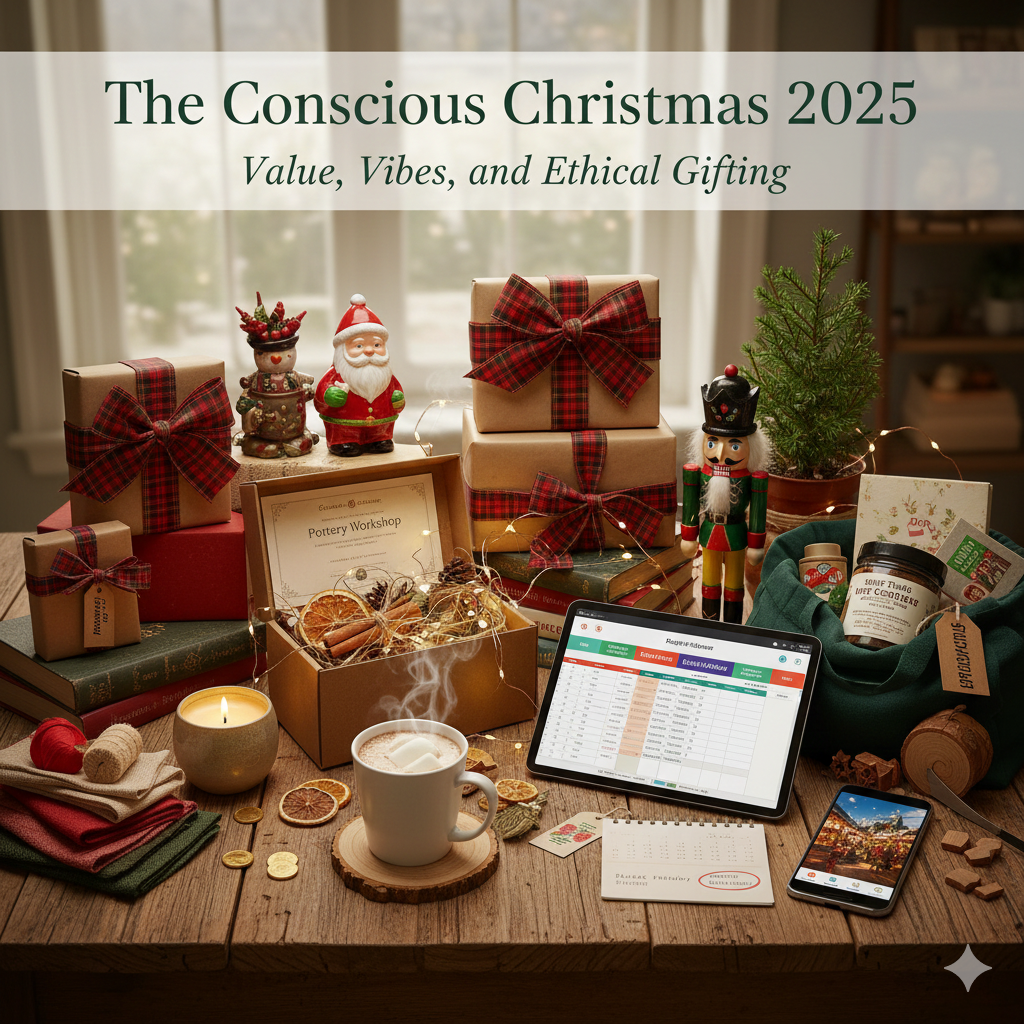
Christmas 2025 is shaping up to be a season defined by intentional spending, high emotional value, and sustainable choices. Faced with persistent economic concerns, consumers are trading impulsive purchases for meaningful moments and quality over quantity. This deep dive explores the high-authority trends and data-backed strategies shaping the most wonderful, and most mindful, time of the year.
1. Consumer Data: The Value-Conscious Shift
Financial caution is the driving force behind consumer behaviour this Christmas. Shoppers aren’t stopping, but they are spending smarter, earlier, and more selectively.
- Spending Adjustments: Data indicates that overall holiday spending will remain substantial but is being reallocated. While some reports show average gift spend dipping slightly (around 5-11% on average from 2024), consumers remain committed to preserving cherished traditions.
- The Power of the Discount Window: The traditional shopping timeline is becoming less predictable. A significant portion of spending (up to 40% of planned gift spend) is still expected to concentrate around the Thanksgiving to Cyber Monday five-day window, reinforcing the importance of early promotions.
- The E-Commerce Advantage: Online Christmas shopping continues to outpace brick-and-mortar growth, with e-commerce expected to grow significantly faster than in-store sales. Convenience and the ability to price-compare drive this trend, making fast and rapid delivery a crucial factor.
- Social Media Influence: For Gen Z and Millennials, social media significantly impacts purchase decisions (impacting over 40% of consumers’ choices). Visual platforms like TikTok are critical for discovering Christmas gift ideas and unique products.
Key takeaway: Retailers and families must prioritize offering clear value and emotionally resonant products. Consumers are prioritizing needs over luxuries but will spend on items that facilitate core holiday rituals and experiences.
Write name on Christmas Cake and send it to your loved ones.
2. High-Impact Gifting: The Rise of Experiences & Ethical Swaps
The search for meaningful Christmas gifts is replacing the desire for mere stuff. This trend is fuelled by both budget awareness and an increased focus on sustainability.
A. Experience Gifting is King
To combat clutter and create lasting family memories, consumers are pivoting to non-physical gifts:
- Tickets & Classes: Searches for experience Christmas gifts like cooking classes, pottery workshops, theatre tickets, and adventure activities are soaring. These offer personal fulfillment and emotional value, directly addressing the core need for quality time.
- Wellness & Self-Care: Driven by post-holiday stress, the gifting of wellness products and experiences is growing. Think subscriptions to fitness apps, yoga classes, or high-quality aromatherapy sets.
- Gift Cards Galore: Gift cards are seeing a high projected use, especially as a way for givers to manage rising prices while giving the recipient freedom of choice.
B. Sustainable & Secondhand Shopping
An ethical Christmas is no longer niche; it’s a mainstream concern, especially among younger demographics concerned about waste (UK data shows up to 30% more waste is produced during the festive period).
- Secondhand Acceptance: Over half (55%) of consumers state they would be happy to receive a second-hand gift, opening the door for pre-loved Christmas gifts and vintage items.
- Conscious Consumption: High-authority searches target zero-waste gifts, Fair Trade Christmas food, and products from small, local businesses that offer ethical sourcing and low environmental impact.
- DIY & Handcrafted Gifts: Homemade Christmas gifts—from crafted candles and baked goods to personalized scrapbooks—provide emotional value while minimizing expenditure and material waste.
Send Christmas Wishes With name to friends and family for free
3. The New Festive Aesthetic: Nostalgia Meets Comfort
In Christmas decor, the trend is a comforting embrace of the past, focusing on personalized charm over polished perfection, as previously highlighted in the decor trend report.
- Nostalgic Decor: Retro Christmas decorations and vintage motifs (think ceramic figures, bold colours, and playful novelty ornaments) are highly searched. This style evokes happy childhood memories and is inherently maximalist.
- Oversized Ribbons: The most visible, high-impact trend is the widespread use of oversized velvet bows and rich ribbons for tree decoration, wreath enhancement, and gift wrapping—an easy way to add instant, budget-friendly Christmas elegance.
- Warm Lighting: There’s a notable preference shift toward warm white Christmas lights and multi-coloured lights over sterile, cool-toned lighting, enhancing the feeling of Christmas coziness.
4. The Festive Feast: Value in the Kitchen
The biggest financial challenge for many families remains the Christmas dinner. The focus is squarely on value without compromise on tradition.
- The Price Watch: Consumers are hyper-aware of rising food prices. Search queries for “cheapest Christmas supermarkets 2025” and “budget Christmas dinner recipes” are soaring as families try to mitigate the reported 5.52% increase in the average cost of the festive feast.
- The Home Host: Despite cost concerns, people are still planning to host and celebrate, looking for hosting hacks and tips to reduce stress and waste.
- Out-of-Home Dining: Interestingly, some data shows a slight increase in dining out-of-home for Christmas dinner, reflecting a desire to delegate the stress and mess of hosting, particularly for those with slightly higher budgets.
FAQs: Your Authority Guide to Christmas 2025
Q1: How much is the average consumer spending on Christmas in 2025?
A: Overall holiday retail sales are expected to surpass $1 Trillion for the first time. However, the average gift spend per person is predicted to see a slight decline (approx. 5-11% average cutback) compared to 2024, as consumers prioritize value.
Q2: What are the top trending gift categories this year?
A: Experience gifts (like classes or tickets), high-quality wellness and self-care products, and toys/collectibles (like LEGO sets and popular card games) are seeing high search volume, driven by emotional resonance and playfulness.
Q3: When should I start my Christmas shopping in 2025?
A: Consumers are starting earlier than ever to budget and secure deals. To leverage the best discounts, focus on the Black Friday/Cyber Monday window, as a significant portion of planned spending occurs in these five days.
Q4: What is the biggest challenge for Christmas host families this year?
A: The cost of Christmas food is a major concern, with the average Christmas dinner cost rising. Families are advised to shop at budget supermarkets and seek out budget-friendly Christmas recipes to manage expenses.
Q5: What’s the best way to make Christmas more sustainable?
A: Prioritise second-hand gifts, choose reusable wrapping paper, support ethical local businesses, and focus on DIY Christmas decorations and homemade gifts to reduce waste and increase emotional value.